
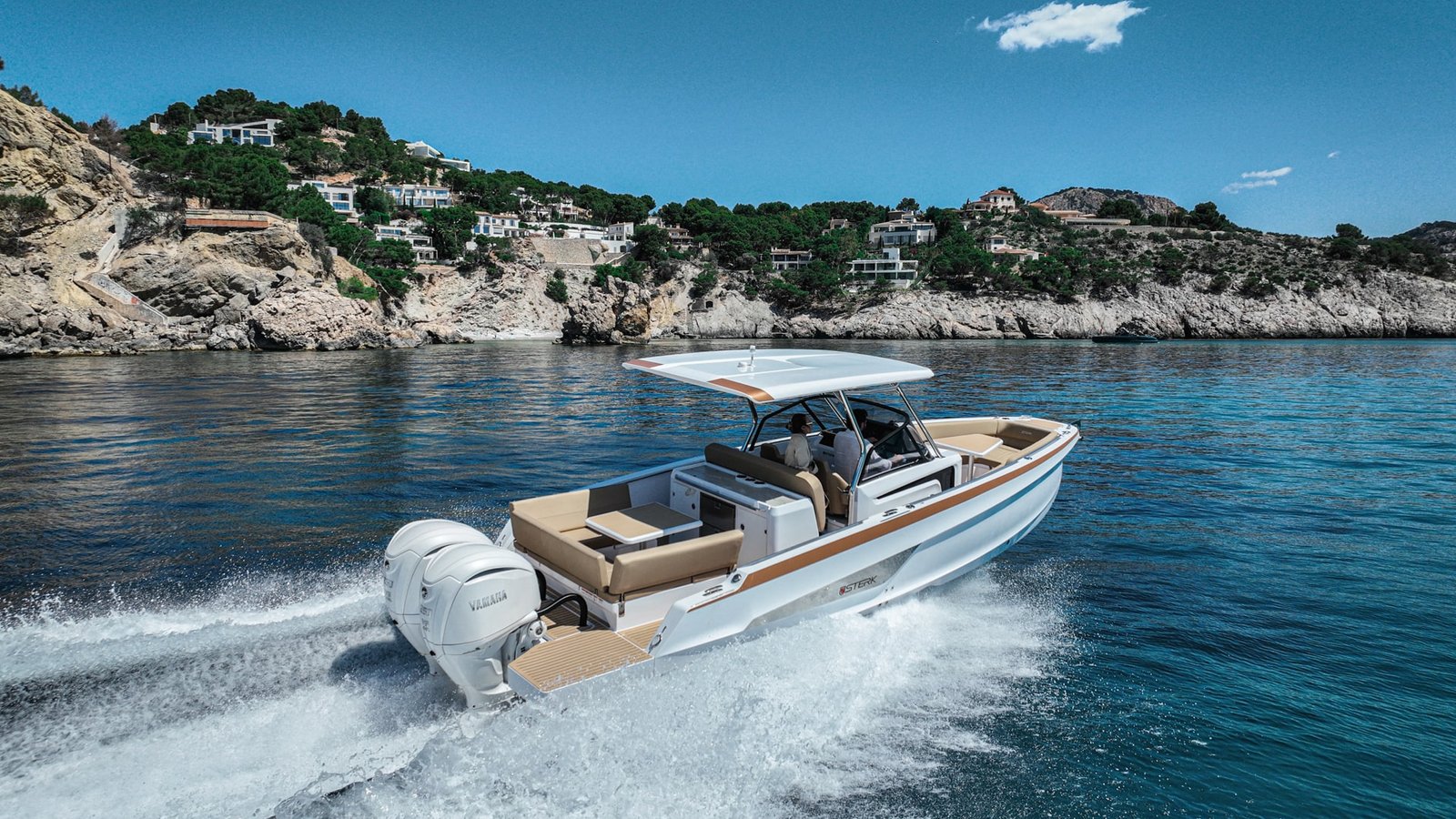
Ready to get into the world of inflatable boats but feeling overwhelmed? Don’t worry! In this guide we’ll help you through the essential things to consider before buying an inflatable boat or dinghy in 2025. From purpose and use to material and budget, we’ve got you covered.
Key Takeaways
- Understand the purpose and intended use of an inflatable boat for informed decision-making.
- Consider recreational vs professional use, size and capacity, hull shape, keel options and material choices to suit your individual needs.
- Research safety features & certifications, motor types for optimal speed & performance, as well as portability options when making a purchase.
Purpose and Usage

Inflatable boats come in a wide range of models, from small inflatable dinghies to large rigid inflatable boats (RIBs). Each type serves different purposes, such as fishing, hunting, or just as a tender boat. Engineered with precision, inflatables are also capable of navigating whitewater for the thrill-seekers among us.
Comprehending the purpose of your purchase can significantly influence your decision when buying an inflatable. Popular models include roll-up floors, hard floor, and console rigid inflatable boats, with a rigid inflatable boat being a favoured choice for marine professionals due to its durability and performance.
The benefits of inflatable boats include:
- Compactness: Easy deflation allows for convenient storage, making them a space-saver.
- Performance: Despite their size, they boast exceptional seaworthiness and reliability.
- Cost-Efficiency: Offering a blend of performance and affordability.
When making your decision, consider factors like:
- The Intended Use
- Size and Load Capacity
- Hull Shape and Keel Options
- Materials Used
- Safety Features and Certifications
- Speed and Motor Options
- Storage and Portability
- Accessories and Customization
- Budget and Pricing
Being mindful of these factors will guide you to an informed purchase, ensuring maximum enjoyment from your inflatable boat.
Recreational vs. Professional Use
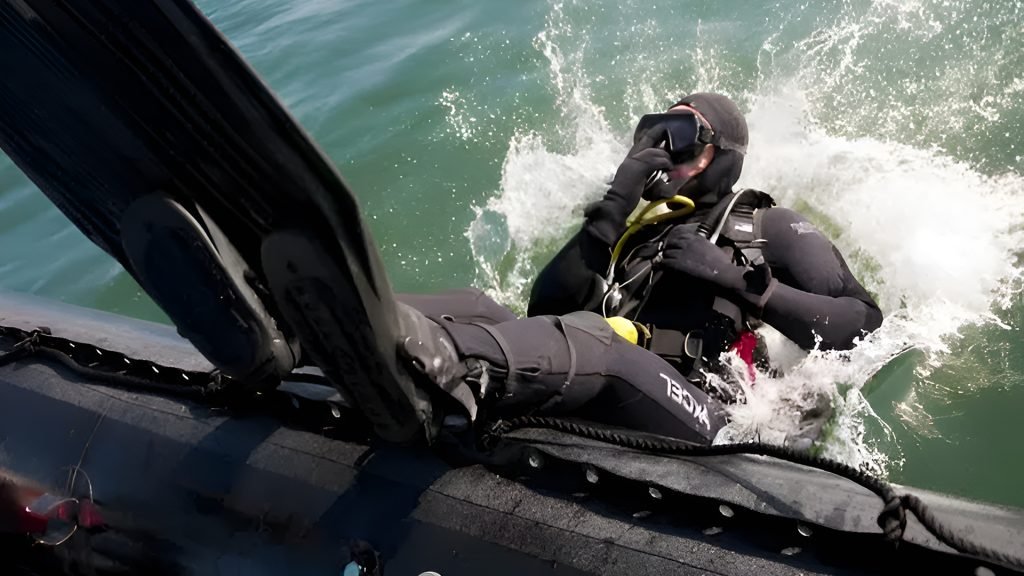
Recreational and professional uses of inflatable boats differ significantly, and these differences are reflected in the inflatable boat market. Recreational use typically involves leisure activities such as fishing, camping, and sightseeing, while professional use encompasses outings like Coast Guard search and rescue, law enforcement and military operations. Inflatable boats offer advantages over traditional fiberglass boats in terms of portability and ease of storage.
For recreational purposes, the available options are:
- Canoes
- Rafts
- Roll-up boats
- RIBs (Rigid Inflatable Boats)
- Inflatable kayaks
Each type offers unique features and benefits for various water activities.
Inflatable Boat Market: What’s Your Pick?
If leisure and relaxation on the waters is your calling, look towards models that merge durability, portability, and affordability. These boats, though not built for speed, promise a reliable and enjoyable experience.
For the professionals, the requirements pivot towards advanced maneuverability and steering systems, optimally designed hull shapes, and enhanced performance features. These boats are built to respond with agility and reliability in the most demanding situations.
Boat Size and Capacity
The dimensions and capacity of your inflatable boat depend on factors such as the number of passengers, amount of gear, and intended activities to prioritize comfort and safety. Air floor inflatables, also known as inflatable boats with air floors, can range in size from 6’7” to 14’9”, offering a lightweight and comfortable option for boating enthusiasts.
The world of inflatable boats unveils options from compact dinghies perfect for solo expeditions or a pair of adventurers, to more spacious Rigid Inflatable Boats (RIBs) that comfortably accommodate a larger crew. The size is often directly correlated to the boat’s functionality – smaller ones offering ease of maneuverability and larger ones promising enhanced stability.
When considering the boat’s stability and performance, the inflatable hull design plays a significant role. Inflatable hulls with air floors provide more comfort for passengers, particularly when moving around the boat, and reduce setup and teardown time. However, they are not as efficient in choppy waters as hard floors due to their reduced weight and higher center of gravity, which can make them feel less stable at higher speeds.
Hull Shape and Keel Options
Hull Shape
The design of the hull and the choice of the keel in your inflatable boat can significantly impact its stability, maneuverability, and overall performance. The primary hull shapes for inflatable boats are flat, V, and Deep V. V-hull inflatable boats offer a better hull shape for increased top speeds, directional stability, and improved wave-cutting capabilities, but may have reduced interior space due to the presence of inflatable tubes.
Flat Hull
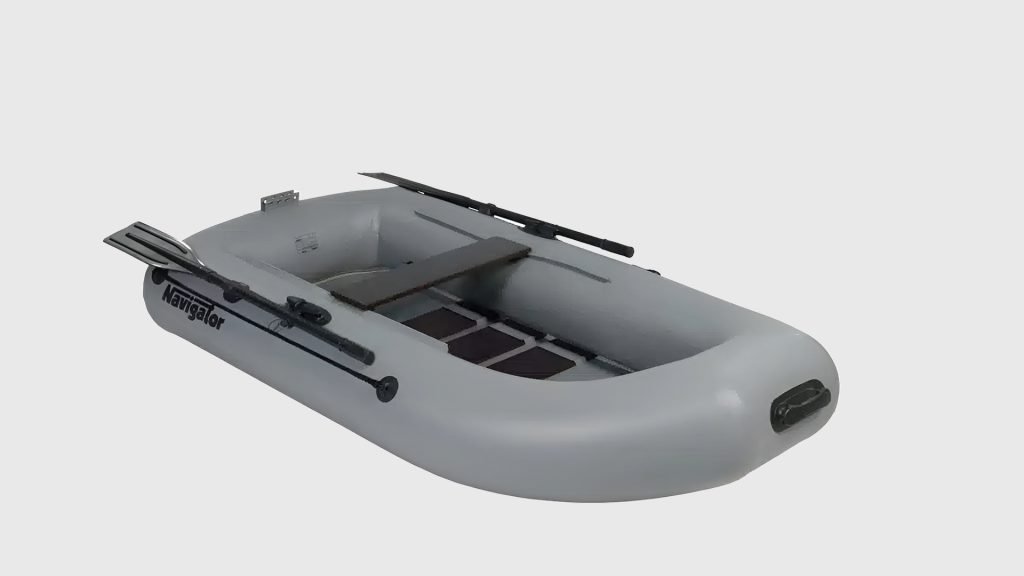
Flat-hull inflatable boats are generally stable and ideal for calm waters. Best For: These are suited for activities like fishing and leisure cruising on calm lakes or rivers.
V-Hull
These boats have a V-shaped hull that allows better performance and speed. They can cut through waves more efficiently, offering a smoother ride in choppy waters. Best For: Ideal for more challenging water conditions, providing enhanced stability and control.
Deep V-Hull Design
This design offers the best performance in rough waters. The deep V shape allows the boat to cut through waves, reducing the impact of the waves on the boat and its occupants. Best For: Primarily used for professional purposes like search and rescue, law enforcement, and other applications where speed, stability, and control in rough waters are crucial.
Keel Options
The keel of an inflatable boat plays a pivotal role in its maneuverability, stability, and overall performance. Here are all the different types of keels and their impacts:
No Keel
Inflatable boats without a keel essentially act like a barge. They are stable but lack the dynamic performance of boats with a keel. Best For: Calm waters and recreational activities where speed and performance are not the priority.
Inflatable Keel
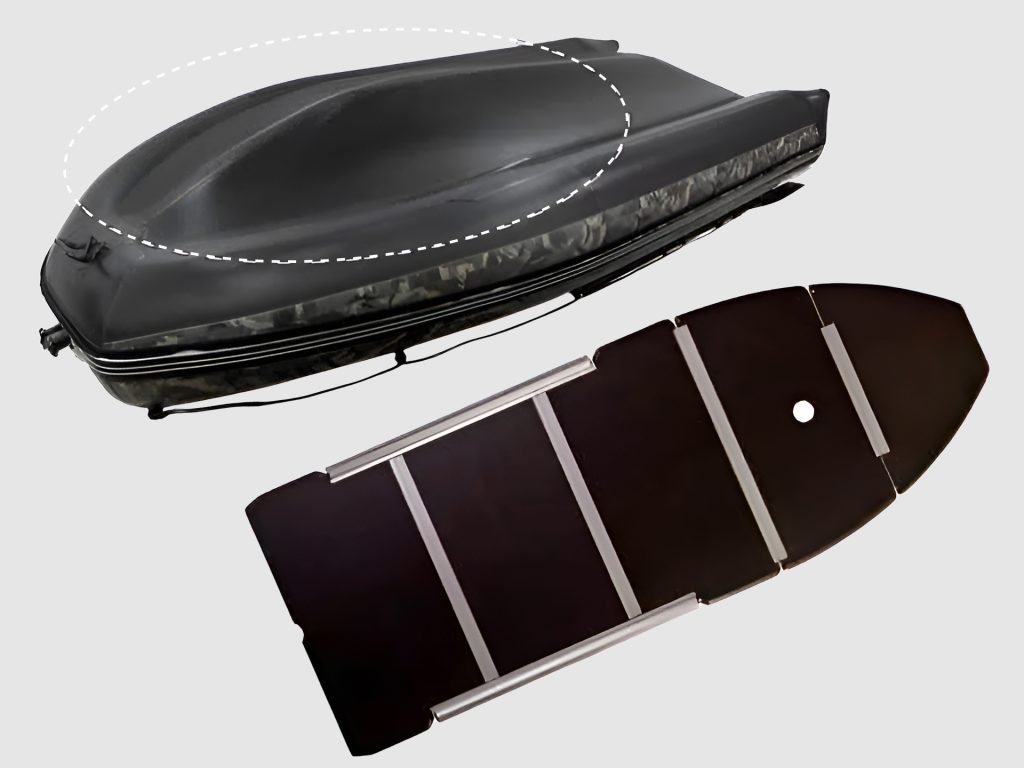
This type of keel is inflated and forms a V-shape at the bottom of the boat, enhancing its performance and stability. Best For: An air keel chamber boats are suited for both calm and moderately rough waters, offering a balance of stability and performance.
Hard Keel
Hard keels, often made of wood or composite materials, provide the best performance, especially in rough waters. They improve the boat’s directional stability and speed. Best For: Ideal for professional use and situations where the boat needs to perform optimally in varying water conditions.
Regarding rough water conditions, it’s worth noting that air floors are not as effective as a hard floor boat. Air floors have a lower weight and higher center of gravity, making them less stable at higher speeds. PVC boat materials may also be less durable than Hypalon in rough water conditions.
Material Choices: PVC vs. Hypalon
Choosing the material is a strategic decision influencing durability, maintenance, and the overall boating experience. In the world of inflatable boats, the choice is primarily narrowed down to PVC (Polyvinyl Chloride) and Hypalon, both of which offer advantages over traditional fiberglass hull designs in terms of weight and portability. Each offers distinct qualities influencing their performance, durability, and application.
PVC boasts of its lightweight and cost-effective nature, marking it as a favourite among recreational boaters. However, it is susceptible to UV damage and staining, necessitating extra care and maintenance to prolong its lifespan.
In contrast, Hypalon is renowned for its durability and resistance to environmental elements, including UV rays and chemicals. Though costlier and heavier, its longevity and low maintenance requirements offer value for the investment, making it a common choice in professional and commercial spheres.
The decision hinges on the intended use, budget, and maintenance preferences. PVC suits those seeking affordability and lightness but are ready for maintenance commitments. Hypalon appeals to those prioritizing durability and resilience, ready to invest upfront for long-term value.
Safety Features and Certifications
Safety is paramount when it comes to navigating waters, and inflatable boats come equipped with various safety features to ensure the well-being of passengers and the integrity of the vessel:
Safety Valves: These are pressure relief valves designed to release excess pressure caused by over-inflation or increased air pressure due to sun exposure, ensuring the boat doesn’t burst or get damaged. They maintain optimal air pressure, contributing to the boat’s performance and safety.
Lifelines: Lifelines are securely attached to the boat’s perimeter, offering passengers something to hold onto, especially in rough waters. They enhance the safety of passengers by reducing the risk of falling overboard.
Perimeter Lines: These lines run around the boat’s exterior and serve as additional means to secure the boat to docks or other structures. They provide extra stability and security, especially during boarding.
Air Chambers: Inflatable boats are designed with inflatable chambers to ensure buoyancy even if one chamber gets punctured. They ensure the boat remains afloat and functional during an emergency, enhancing passengers’ safety.
To ensure compliance with regulations, look for boats that have certifications from organizations like the National Marine Manufacturers Association (NMMA) or CE certification for boats sold in Europe.
Speed and Motor Options
The velocity and engine choices for your inflatable boat are dependent on factors such as:
- weight and size
- capacity
- suitable motor type
- wind speed
- water conditions and planned usage
Selecting an inflatable boat with a superior motor can facilitate a smoother and faster journey through the water.
Always compare your needs to the available engine choices before deciding on the motor type for your inflatable boat. For example, a keelboat with a hard deck allows the installation of powerful motors (up to 40-50 HP with a length of 4.5-4.6 m). RIBs, as a rule, allow the installation of more powerful motors. As for a slate boat, a 2.5-5 hp motor is more efficient than an electric motor.
Storage and Portability
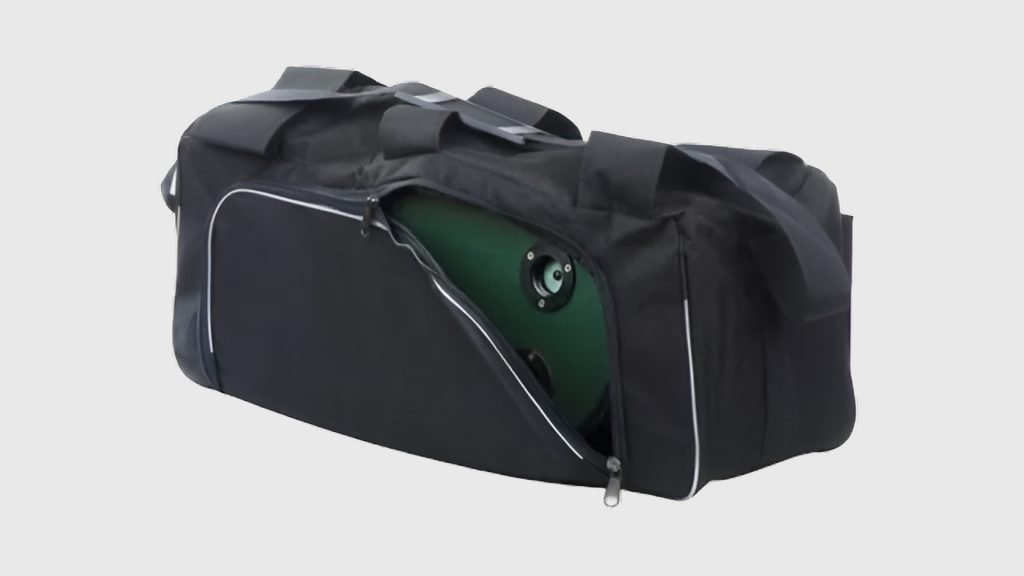
When buying an inflatable boat, storage requirements and portability are key considerations. Inflatable boats offer a range of storage and transport options, with most inflatable models being easily transported by car or hoisted on a larger boat. Inflatables are very convenient since they can be easily stored in limited space.
The weight of an inflatable dinghy is determined by factors such as material, size, and features. We offer models that can be swiftly packed into a car’s trunk and score high on the urban usability index.
Accessories and Customization
Beyond the basics, there’s a universe of add-ons, from specialized floors to enhanced seating and storage options. Some accessories that can be added to your inflatable boat include:
- Aluminum floors
- Air decks
- Rod holders
- Built-in seats
Rod holders offer a secure and steady location to store fishing rods, while comfortable seating provides optimal support for your back. Extra storage for fishing equipment and other customizable features can be added based on your specific requirements and budget.
Don’t hesitate to tailor your inflatable boat with suitable accessories! Сreate a personalized vessel that would be your perfect combo of functionality and style.
Budget and Pricing
Assessing your budget and exploring various pricing options is a vital step toward an informed purchase of an inflatable boat. The cost range for inflatable boats varies from $100 to approximately $2,000. However, it’s essential to consider not only the upfront cost but the costs that will inevitably follow.
Additional costs to consider when purchasing an inflatable boat include:
- Registration fees
- Obligatory safety devices and tools
- Accessories
- Maintenance & repairs
Smaller models are generally more cost-effective, but it’s better to balance affordability with the features and performance you require.
By carefully considering your budget, pricing options, and additional expenses, you can find the perfect vessel among most inflatable boats – that would fits both your needs and your wallet.
Summary
In conclusion, there are many factors to consider before buying an inflatable boat or dinghy in 2024. By understanding the intended use, boat size and capacity, hull shape and keel options, materials used, safety features and certifications, speed and motor options, storage and portability, customization features, and budget and pricing, you can make an informed decision and enjoy your time on the water. Happy boating!
Frequently Asked Questions
What should I look for in an inflatable dinghy?
When choosing an inflatable dinghy, prioritize safety and stability features such as NMMA certification, puncture-resistant material, multiple air chambers, perimeter lines around the boat, safety valves. Also, a crucial component often underestimated is a keel. For a focused exploration on the importance and functionalities of a keel, read our detailed article.
Are inflatable boats worth buying?
Inflatable boats offer excellent performance, reliability and cost-effectiveness compared to traditional hard-hulls, making them a worthy purchase. Learn about the details and advantages of PVC inflatable boats.
What is the life expectancy of an inflatable boat?
The average life expectancy of an inflatable boat is 10-15 years, though this may vary depending on usage and other factors. Discover various uses of inflatable boats and how each impacts its lifespan.
How do I know if my inflatable boat is PVC or Hypalon?
To determine if your inflatable boat is PVC or Hypalon, sand a small area of the fabric; PVC will maintain its glossy colour and resist scratching, while Hypalon will turn dull and produce dust or residue. For insights on optimizing the longevity of both materials through proper storage and maintenance practices, explore our blog.
What are the main types of inflatable boats?
Inflatable boats come in a variety of types, such as motorized models, Rigid Inflatable Boats (RIB), keel boats, dinghies, and jet tunnel boats. Learn how to choose the perfect size for your specific needs in How to Choose the Right Inflatable Boat Length article.